Mastering the Art of Dye-Sublimation Transfer: Secrets to Perfect Prints
In the vibrant world of dye-sublimation transfer technology, the birth of every print is a harmonious blend of art and science. Yet, even the most refined craftsmanship can encounter hurdles. Today, we delve deep into the five most common issues in dye-sublimation transfer processes and their effective solutions, empowering you to surmount technical barriers and achieve flawless prints.
1. Battling Moisture: Say Goodbye to Faded Colors and Water Marks
Problem Analysis: During the transfer process, moisture absorbed by the underlying padding material can lead to faded colors or localized fogging and watermarks on the printed fabric, especially in machines left idle for long periods.
Solution: Regularly apply heat pressure to the padding material before and during the transfer to evaporate moisture. Alternatively, opt for drier padding materials to minimize moisture accumulation.
2. The Anti-Humidity Campaign: Preserving Print Clarity
Problem Analysis: In humid environments, printed patterns and fabrics susceptible to moisture can soften and wrinkle during transfer, resulting in uneven patterns or blurred outlines.
Solution: Ensure printed papers and fabrics are stored in dry rooms during rainy seasons to shield them from moisture, preserving print clarity.
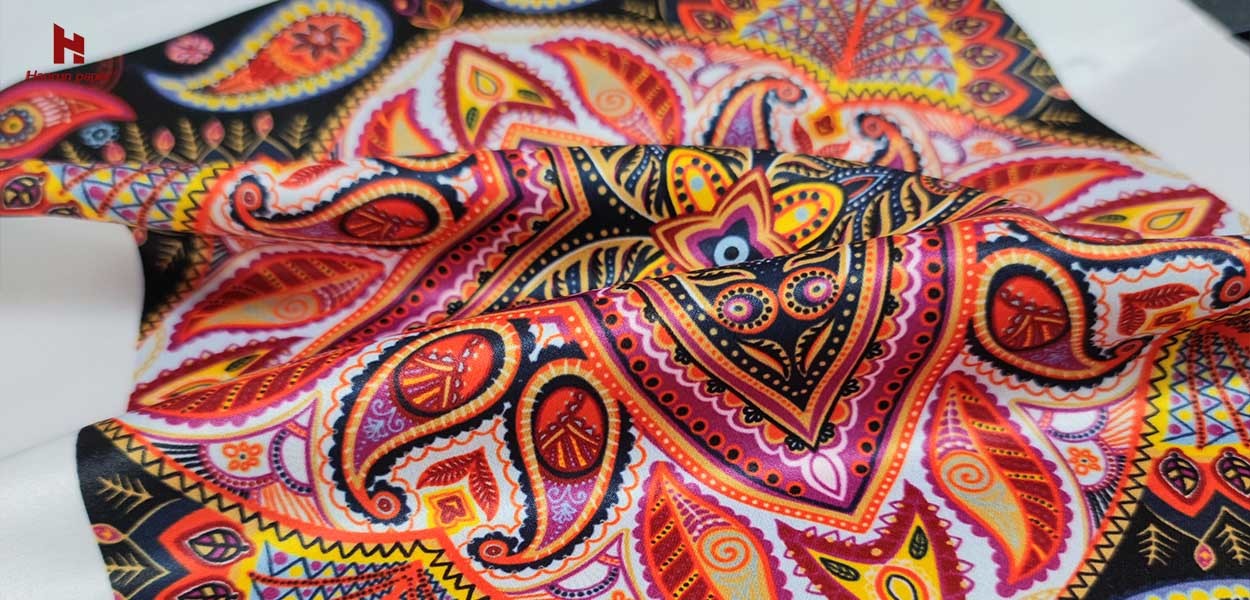
3. The Mystery of Double Images: Precision Control for Clarity
Problem Analysis: Fabric stretch or excessive lifting speed of the heat press plate can cause double images, compromising transfer quality.
Solution: Preheat the fabric to reduce thermal expansion and contraction. Adjust the cylinder speed of the sublimation printer to slow down the lifting of the press plate, and use additional paper to isolate the fabric from the padding, preventing double images while protecting the padding.
4. The Challenge of Glue-Backed Fabrics: Low-Temp, Slow Press for Precision
Problem Analysis: Transferring onto fabrics with glue on the back can produce water spots, spots, and bubbly patterns, or even cause the fabric to stick to the padding, affecting aesthetics.
Solution: Cut the fabric into smaller pieces, reduce the transfer temperature, and extend the pressing time to allow the ink to sublimate slowly and ensure effective evaporation of moisture, avoiding interference.
5. Uneven Transfer: Attention to Detail is Key
Problem Analysis: Deformation of the padding, malfunctioning heating elements, or poor-quality transfer paper can result in uneven patterns or low transfer rates.
Solution: Regularly inspect and replace worn-out padding, ensure the heating system functions correctly, and adjust the pressure balance on roller presses. Choose high-quality sublimation transfer paper, especially for digital dye-sublimation, avoiding low-end options that offer low transfer rates.
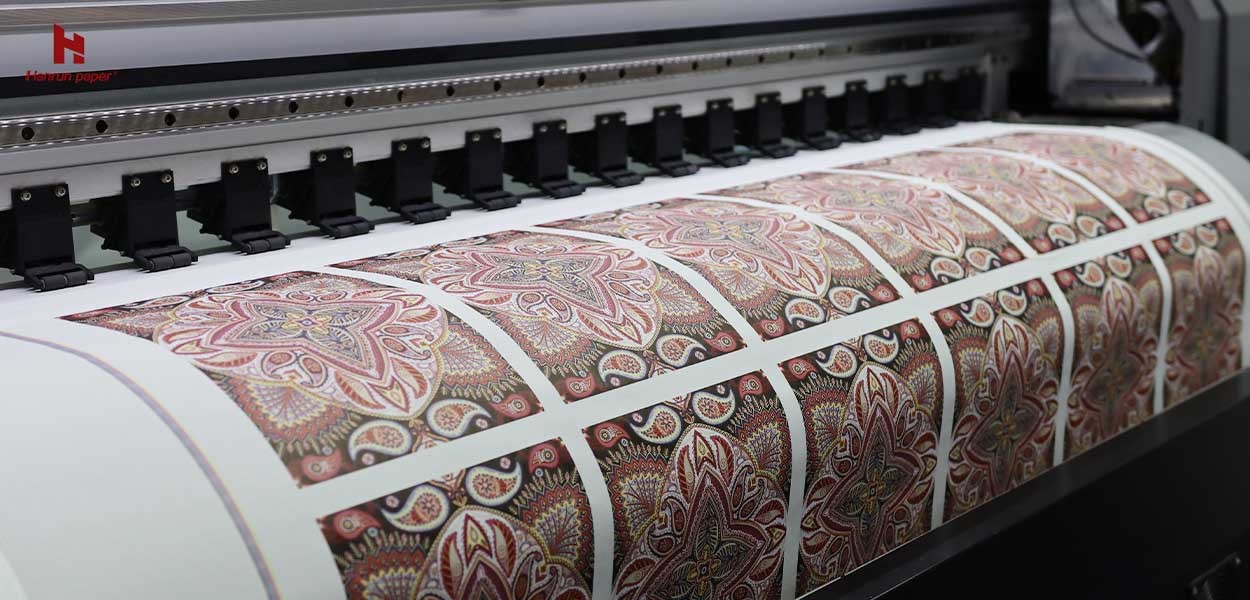
On the journey of sublimation printing, mastering every detail is the path to excellence. By implementing these solutions, you can confidently tackle challenges and create more vivid, intricate prints. Let technology and creativity walk hand in hand, opening a new chapter in dye-sublimation transfer technology!
Contact Us
Global sales e-mail: info@hanrunpaper.com
Global sales WhatsApp: 86 189 3686 5061
Address: No.10 building, Baijiahui Innovation Community, 699-18 Xuanwu Avenue, Nanjing, China
Need Local Support? Find a Certified Hanrun Paper Dealer in Your Area.


Transfer To Digital, Transfer To Future
Hanrunpaper
Customers From
Countries
Contact us

Address:No.10 building, Baijiahui Creative Community, 699-18 Xuanwu Avenue, Nanjing, China