UV Printing vs. Screen Printing: Which Is Right for Your Business?
In the digital era, printing goes far beyond paper and T-shirts. Thanks to technological advancements, businesses can now customize a wide range of items—from metal signs and glass doors to acrylic gifts and personalized phone cases—more easily and cost-effectively than ever before. Among these innovations, UV printing stands out as a revolutionary solution that opens new possibilities for customization. While UV printing and screen printing coexist in the industry, each technology serves distinct production needs.
What Is UV Printing?
UV printing is a digital process that uses ultraviolet-curable inks, which instantly cure under UV light. This method allows for high-resolution, durable prints on a wide variety of materials, including glass, acrylic, wood, ceramic, leather, metal, and plastic.
Key Features:
- Full CMYK color plus white ink and varnish layers
- Instant curing – no smudging or ink bleeding
- Photo-quality color matching via color management software
- Ideal for short runs, on-demand printing, and mixed media production
Limitations:
- Higher per-unit cost compared to large-scale screen printing
What Is Screen Printing?
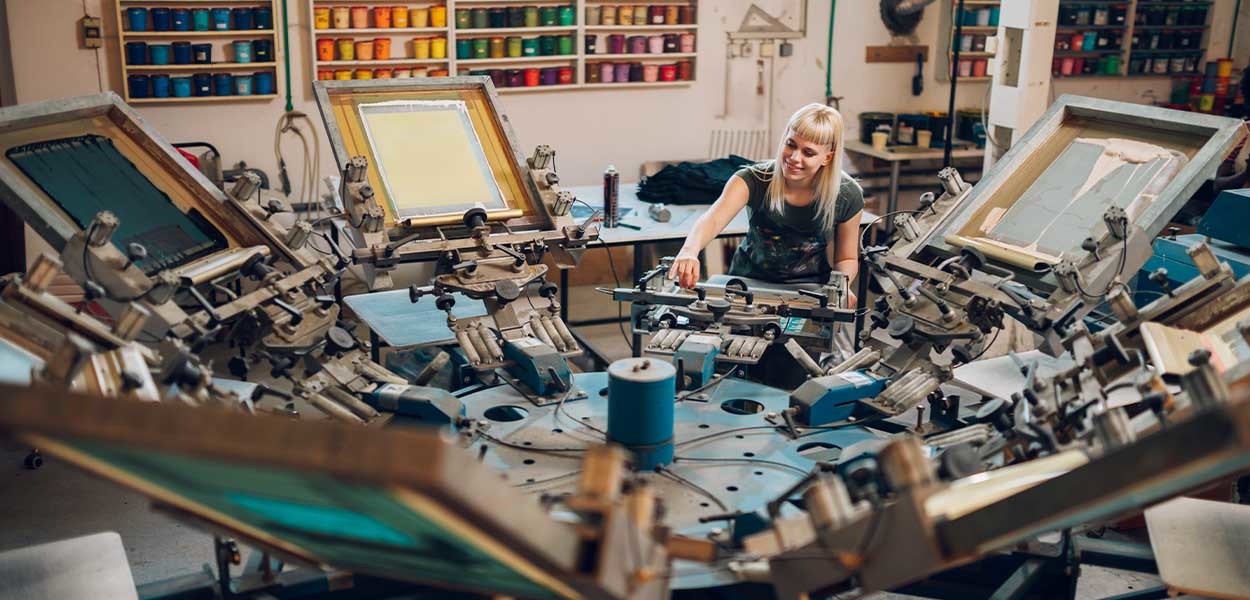
Screen printing uses mesh stencils (screens) to apply one ink color at a time. Each layer of ink is manually or mechanically pushed through the screen and cured before the next color is applied.
Advantages:
- Excellent for high-volume production – costs decrease significantly with scale
- Best suited for bold, solid colors, including Pantone spot colors
- Compatible with a wide range of substrates: textiles (cotton, polyester), vinyl, corrugated plastics, glass, metals, electronics, and more
Limitations:
- Requires separate screens for each color, increasing setup time and costs
- Not suitable for photo-realistic images or smooth gradients
- Wet ink layers can crack or peel over time; outdoor durability requires specialized inks
Workflow and Printing Precision
Screen printing involves a labor-intensive setup: aligning screens, adjusting squeegee pressure, and registering multiple colors accurately. This makes complex, multi-color jobs time-consuming.
In contrast, UV printing offers a streamlined process: secure the substrate, load the design file, and press “print.” Most materials follow the same workflow, and only certain surfaces require a primer.
Ink Properties and Environmental Impact
UV inks cure instantly and form durable, scratch-resistant prints. They don’t evaporate or emit volatile organic compounds (VOCs), although traditional UV lamps can consume substantial energy. LED UV alternatives are more energy-efficient.
Screen printing inks—often plastisol or PVC-based—require drying time and may contain toxic solvents, raising sustainability concerns. Eco-friendlier options exist but are not yet the industry standard.
Print Quality and Design Capabilities
Screen printing can achieve vibrant, tactile effects—like metallic finishes, glow-in-the-dark inks, or puff prints—but struggles with fine gradients or photographic detail.
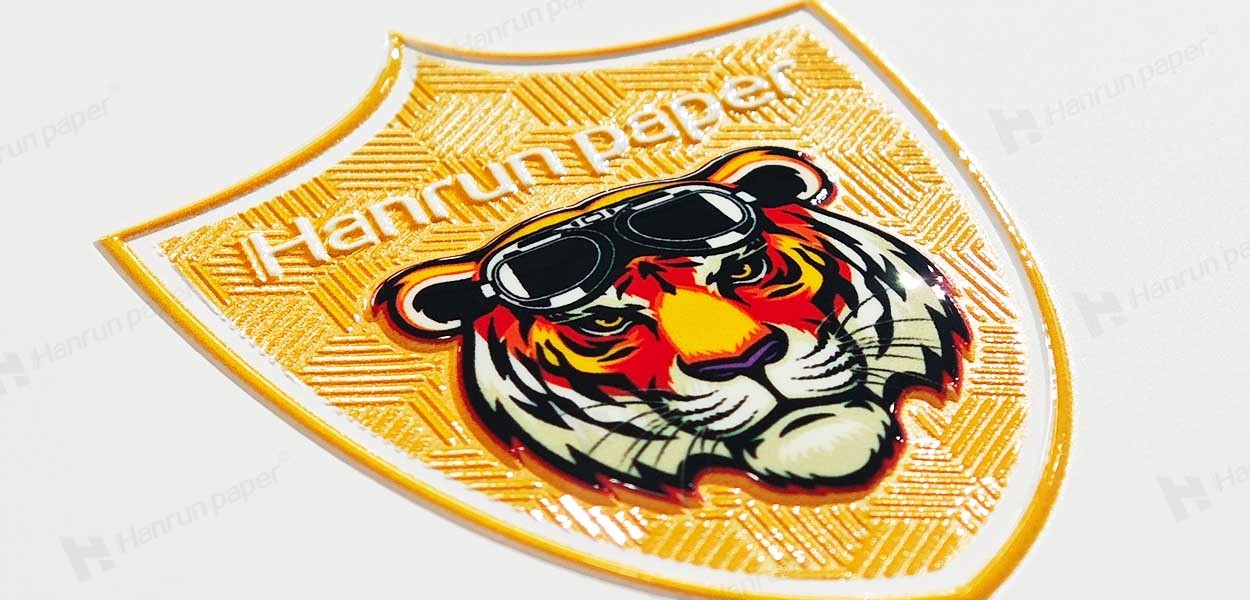
UV printing excels in image clarity, delivering near-photographic resolution, unlimited color combinations, and pinpoint precision. It can print multiple images on a single substrate, making it extremely flexible and detail-rich.
Best Use Cases and Business Fit
Choose UV Printing if you need:
- Small-batch, personalized products (e.g., gifts, corporate merchandise, prototypes)
- Printing on varied materials like acrylic, wood, glass, metal, or leather
- Fast turnaround times and flexible order quantities
- Waterproof and durable prints for outdoor or heavy-use environments
Choose Screen Printing if you need:
- High-volume orders with simple logos or spot color designs
- Specialty inks or thick layers for visual and tactile effects
- Mass textile printing or flat signage at the lowest cost per piece
Conclusion
UV printing is rapidly gaining popularity due to its speed, material versatility, high print quality, and eco-friendliness. It is particularly well-suited for startups, on-demand printing services, personalized merchandise, and industrial signage. Meanwhile, screen printing remains dominant in large-scale production where cost efficiency and special ink effects are key. As innovations—such as bi-directional UV LED printers—continue to emerge, UV printing will play an increasingly vital role in replacing traditional methods and meeting the growing demand for low-volume, high-variety production.
Contact Us
Global sales e-mail: info@hanrunpaper.com
Global sales WhatsApp: 86 189 3686 5061
Address: No.10 building, Baijiahui Innovation Community, 699-18 Xuanwu Avenue, Nanjing, China
Need Local Support? Find a Certified Hanrun Paper Dealer in Your Area.


Transfer To Digital, Transfer To Future
Hanrunpaper
Customers From
Countries
Contact us

Address:No.10 building, Baijiahui Creative Community, 699-18 Xuanwu Avenue, Nanjing, China